

In today’s fast-paced technological environment, Infrastructure and Operations (I&O) leaders face the dual challenge of managing vast amounts of data while ensuring efficiency and innovation in operations. Machine Learning (ML) presents a transformative solution for enhancing data management practices. This article explores the role of ML in optimizing data management and provides actionable insights for I&O decision-makers.Understanding the Intersection of Machine Learning and Data ManagementMachine Learning is a subset of artificial intelligence that empowers computers to learn from and interpret data without explicit programming. In the realm of data management, ML algorithms analyze large datasets to identify patterns, make predictions, and automate decision-making processes. This capability is crucial for I&O departments that deal with complex systems and massive data flowsKey Benefits of Machine Learning in Data Management Enhanced Data Accuracy and Quality: ML algorithms can automatically clean data, remove duplicates, and correct errors. This not only saves time but also significantly improves the reliability of the data. Predictive Analytics: By using historical data, ML can forecast trends and behaviors, enabling I&O leaders to make proactive decisions that anticipate future needs and potential issues. Automation of Routine Tasks: ML can automate repetitive and time-consuming tasks such as data entry and report generation, freeing up team members to focus on more strategic activities. Improved Security: Advanced ML models can detect anomalies and potential threats in real-time, enhancing the security of data management systems. Optimized Resource Management: ML helps in predicting resource needs, thus optimizing the allocation and use of infrastructure resources which can lead to cost savings and improved operational efficiency. Implementing Machine Learning in Your Data Management StrategyAdopting ML for data management involves several key steps that can help ensure success and maximize the benefits for your I&O operations. 1. Data Preparation Actionable Steps: Data Collection: Gather data from various sources to ensure a comprehensive dataset for training your ML models. Data Cleaning: Use ML tools to clean and preprocess data to improve quality and accuracy. 2. Choosing the Right Machine Learning Models Actionable Steps: Model Selection: Choose appropriate ML models based on the specific needs of your data management tasks (e.g., regression models for predictions, clustering for data segmentation). Training and Testing: Train your models with a portion of your data, and test them to ensure they accurately reflect real-world scenarios. 3. Deployment and Monitoring Actionable Steps: Integration: Integrate ML models with existing data management systems to enhance functionality. Continuous Monitoring: Regularly monitor the system to adjust models as necessary and ensure they are performing optimally. Case Studies: Success Stories of ML in Data ManagementCase Study 1: Predictive Maintenance in TelecommunicationsA leading telecommunications provider implemented ML to predict equipment failures before they occurred. By analyzing historical data, the ML system identified patterns leading to failures, enabling preemptive maintenance and reducing downtime.Case Study 2: Resource Optimization in Cloud ServicesA cloud services company used ML to manage its data centers more efficiently. By predicting workload patterns, the ML model could dynamically allocate resources, thereby reducing operational costs and enhancing service reliability.Case Studies: Success Stories of ML in Data ManagementBest Practices for Machine Learning Implementation in I&O Start Small: Begin with a pilot project to gauge the impact and refine your approach before scaling up. Skill Development: Invest in training and developing your team’s skills in ML and data science. Stakeholder Engagement: Engage with all stakeholders, including IT staff and executive leadership, to ensure alignment and support. Data Governance: Establish strict data governance policies to manage data privacy, quality, and access. ConclusionFor I&O leaders, integrating machine learning into data management strategies is no longer just an option but a necessity in the digital age. By leveraging ML, organizations can enhance accuracy, efficiency, and predictability, leading to smarter decision-making and improved operational outcomes. As the technology landscape evolves, the early adopters of these advanced analytical tools will likely be the industry leaders of tomorrow.Embarking on a machine learning initiative can transform your data management practices, driving your organization towards more agile and intelligent operations.
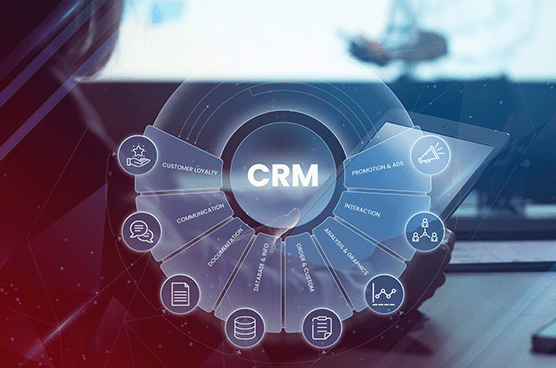
In today’s data-driven landscape, the integration of structured data archiving with Enterprise Resource Planning (ERP) and Customer Relationship Management (CRM) systems is not just an improvement—it’s a transformation. For Infrastructure & Operations (I&O) leaders and decision-makers, this integration is pivotal in streamlining operations, enhancing performance, and achieving long-term data sustainability. This post explores the essential role of structured data archiving in modernizing ERP and CRM solutions, guiding I&O leaders through the strategic benefits.### Understanding Structured Data ArchivingStructured data archiving refers to the process of moving data from primary storage to a specialized archiving system that preserves the data’s format and access capabilities. This practice is crucial for organizations looking to maintain large volumes of data without compromising system performance or data integrity.Why Data Archiving Matters for ERP and CRM Modernization Enhanced System Performance and Scalability One of the most significant benefits of incorporating structured data archiving into ERP and CRM systems is improving system performance. By offloading historical data from primary systems, companies can reduce the load on active databases, thereby enhancing application speed and responsiveness. This leads to better user experiences and increased efficiency in processing current transactions. Scalability: Archiving data structurally allows ERP and CRM systems to scale more effectively, accommodating growth without the corresponding cost in primary storage expansions or system upgrades. Reduced Costs and Improved ROI Data storage costs can spiral as enterprise data grows. Structured data archiving helps manage these costs more effectively by transferring older, less frequently accessed data to more cost-efficient storage solutions. This reduction in primary storage requirements can significantly decrease overall IT storage expenses, thus improving the ROI of existing infrastructure. Cost-effective Storage Solutions: Utilize cloud-based archives or hybrid models to balance accessibility and cost. Regulatory Compliance and Risk Management For many industries, regulatory compliance regarding data retention is non-negotiable. Structured data archiving facilitates adherence to these regulations by providing secure, accessible, and immutable storage solutions. Additionally, having a robust archiving system can mitigate risks associated with data loss or corruption. Audit Trails and Data Integrity: Maintain comprehensive audit trails, ensuring that data is retrievable and intact for audits or legal purposes. Enhanced Data Management and Quality Integrating structured data archiving solutions allows for better data management practices. Cleansed and well-maintained data archives aid in improving the quality of data available for analytics and business intelligence. Data Cleansing: Archived data can be cleansed and standardized, increasing its utility for analysis. Implementing Structured Data Archiving: Best Practices Assess Data Lifecycle and Archiving Needs Before implementing a structured data archiving solution, it is essential to perform a thorough assessment of the data lifecycle and understand the archiving needs specific to your organization. Determine which data should be archived, how often, and what compliance requirements must be met. Lifecycle Management: Implement policies for regular reviews and updates of the data archiving strategy. Choose the Right Archiving Solution Select an archiving platform that integrates seamlessly with your existing ERP and CRM systems while meeting your specific requirements for security, accessibility, and cost-effectiveness. Consider factors like ease of integration, support for regulatory compliance, and the provider’s industry reputation. Vendor Selection: Opt for vendors with robust security measures and proven expertise in your industry. Continuous Monitoring and Optimization After implementing a data archiving solution, continuously monitor its performance and impact on your ERP and CRM systems. This ongoing evaluation will help identify optimization opportunities and ensure that the archiving system remains aligned with organizational goals and technological advancements. ConclusionFor I&O leaders aiming to modernize their ERP and CRM systems, structured data archiving is not just a strategic asset—it is a necessity. By enhancing system performance, reducing costs, ensuring compliance, and improving data management, structured data archiving sets the stage for a more efficient and sustainable enterprise data environment. Adopting a robust archiving strategy will equip your organization to face the challenges of an increasingly data-centric world, providing a competitive edge in operational efficiency and strategic data usage. Make the smart choice—invest in your future by optimizing your data architecture today.

Navigating the complex and evolving landscape of compliance and regulations in data preservation is a paramount concern for businesses worldwide. As organizations continue to amass vast quantities of data, the importance of maintaining this information securely and in accordance with legal requirements cannot be overstated. This blog post aims to shed light on the challenges and best practices associated with data preservation compliance, offering insights that can help your organization navigate these turbulent waters.Understanding Data PreservationData preservation refers to organizations’ processes and strategies to maintain digital information over time, ensuring its accessibility, reliability, and integrity for future use. This encompasses safeguarding data from loss or corruption and ensuring it remains usable and meaningful over long periods.The Importance of ComplianceCompliance in data preservation involves adhering to laws and regulations that govern data retention, privacy, and security. These regulations can vary significantly across different industries and jurisdictions, making compliance a challenging but critical aspect of data management. The consequences of non-compliance can be severe, ranging from hefty fines to reputational damage and, in some cases, criminal charges.Navigating Regulatory LandscapesTo effectively navigate the regulatory landscapes, organizations must first understand the laws and standards that apply to them. This can include: General Data Protection Regulation (GDPR): A critical regulation for any organization dealing with the data of EU citizens, GDPR emphasizes privacy and data protection. Health Insurance Portability and Accountability Act (HIPAA): For those in the healthcare industry, HIPAA sets the standard for protecting sensitive patient data. Sarbanes-Oxley Act (SOX): Relevant to publicly traded companies, SOX mandates the retention of financial records and emails. Industry-Specific Regulations: Many industries have their own set of regulations, such as FINRA for the financial services sector. Understanding these regulations is the first step. The next involves implementing data management and preservation strategies that comply with these legal requirements.Best Practices for Compliance in Data PreservationAchieving compliance requires a well-thought-out strategy that encompasses various aspects of data management. Below are some best practices that can guide organizations in their compliance efforts: Conduct Regular Compliance Audits: Regular audits help identify potential compliance issues and ensure data preservation policies are current with current regulations. Implement Robust Data Management Policies: Clear policies should outline how data is stored, accessed, and managed over time, including data retention schedules and procedures for data destruction. Use Reliable Data Preservation Tools: Invest in technology that supports compliance efforts, such as encrypted storage solutions and automated backup systems that can ensure data integrity and availability. Train Employees on Compliance: Employees should be aware of compliance requirements and how they relate to their roles, including handling sensitive data and recognizing potential security threats. Partner with Legal Experts: Legal counsel specializing in data privacy and compliance can provide invaluable guidance and ensure that policies are in line with the latest regulations. The Role of Technology in ComplianceTechnology is crucial in enabling organizations to meet their compliance obligations efficiently. From advanced encryption methods to blockchain for immutable record-keeping, leveraging the right technologies can make data preservation both secure and compliant. Additionally, AI and machine learning algorithms can automate the classification and tagging of data, making it easier to manage and retrieve in compliance with legal requirements.Challenges in ComplianceDespite best efforts, organizations may face challenges in maintaining compliance, such as: Evolving Regulations: Laws and regulations regarding data preservation are constantly evolving, requiring organizations to stay informed and adapt their policies accordingly. Data Volume and Complexity: The sheer volume and complexity of data that organizations must manage can make compliance daunting. Technological Changes: Rapid technological advancements necessitate ongoing investment in new tools and training to keep up with best practices for data preservation. ConclusionNavigating compliance and regulations in data preservation is an ongoing journey for organizations. By understanding the regulatory landscape, implementing best practices, and leveraging technology, businesses can mitigate risks and ensure that their data preservation strategies are effective and compliant. Remember, the goal is not just to avoid penalties but to foster trust and reliability, reinforcing the organization’s reputation and commitment to data protection. As we move forward in an increasingly data-driven world, embracing these challenges and solutions is essential for any organization looking to secure its data for the future.Don’t wait for a data disaster to strike! Take control of your compliance strategy today. Connect with us to unlock exclusive insights and transform your data preservation practices.

In a significant regulatory development, JPMorgan Chase, one of the world’s leading financial institutions, has been hit with fines amounting to almost $350 million. The fines were imposed due to identified gaps in the bank’s trade surveillance data, underscoring the critical importance of comprehensive oversight mechanisms in today’s digital finance landscape. This event serves as a potent reminder of the crucial interplay between technological innovation, regulatory compliance, and the safeguarding of market integrity. In this post, we’ll delve into the implications of this penalty, explore the lessons for the industry, and discuss strategies for financial institutions to navigate similar challenges.Understanding the FineThe regulatory body’s fine levied on JPMorgan Chase illuminates the growing scrutiny on financial institutions’ ability to accurately monitor and report trading activities. Such surveillance is pivotal in detecting and preventing market manipulation, insider trading, and other forms of financial malfeasance. The penalty signifies a shortfall in the bank’s digital systems and processes designed to oversee a vast array of trading activities, spotlighting the complex requirements of modern trade surveillance.Implications for the Finance IndustryThis incident has broad implications for the finance sector, particularly in managing digital operations and regulatory compliance. First, it emphasizes the necessity of robust technological frameworks capable of handling massive volumes of trade data while ensuring accuracy and transparency. Secondly, it highlights the escalating consequences of non-compliance in a tightly regulated global market, where the integrity of financial systems is paramount.Lessons Learned1. Investing in TechnologyOne of the clear takeaways is the indispensable role of technology investment in compliance operations. Financial institutions must prioritize developing and integrating advanced surveillance systems that can keep pace with the evolving complexity of global markets. This includes leveraging artificial intelligence and machine learning for predictive analytics, anomaly detection, and real-time monitoring.2. Enhancing Data GovernanceEffective trade surveillance is predicated on the integrity and comprehensiveness of data. This incident underlines the need for stringent data governance practices to ensure data is accurate, timely, and accessible. Establishing robust data management and archiving protocols is crucial in mitigating risks associated with data gaps and inaccuracies.3. Fostering a Culture of ComplianceBeyond technology and processes, fostering a culture prioritizing compliance and ethical conduct is vital. This involves continuous training and education of staff on regulatory requirements, ethical standards, and the importance of vigilance in trade surveillance. Creating an environment where employees are encouraged to report discrepancies and take proactive measures in compliance efforts is essential.4. Proactive Engagement with RegulatorsProactive engagement with regulatory bodies can also serve as a strategic approach to navigating the complexities of trade surveillance. Open communication and transparency with regulators can help institutions stay ahead of regulatory changes, understand expectations more clearly, and tailor their surveillance mechanisms accordingly.Navigating Future ChallengesInstitutions must remain vigilant and adaptive as the financial industry continues to evolve, driven by technological advancements and changing regulatory landscapes. Implementing a strategic approach to trade surveillance that encompasses technological innovation, data governance, cultural transformation, and regulatory engagement will be crucial. Moreover, leveraging insights from incidents like JPMorgan Chase’s fine can guide institutions in strengthening their surveillance practices and regulatory compliance frameworks.ConclusionThe fines imposed on JPMorgan Chase serve as a critical lesson for the finance industry, spotlighting the indispensable need for robust trade surveillance systems. In the digital age, where financial transactions are executed at unprecedented speeds and volumes, ensuring the integrity of these transactions is paramount. Financial institutions must take a holistic and forward-looking approach to compliance, integrating advanced technologies, enhancing data governance, cultivating a culture of ethical conduct, and engaging proactively with regulatory bodies. By doing so, they can not only navigate the complexities of today’s financial markets but also contribute to their stability and integrity.This event is a reminder of the ever-present challenges in maintaining regulatory compliance amidst rapid technological change. It also offers valuable insights into how institutions can fortify their surveillance capabilities to prevent similar occurrences. As we move forward, the ability of financial institutions to adapt and innovate in their compliance practices will be a significant determinant of their success and resilience in the face of regulatory scrutiny.Infobelt can help ensure your organization is protected and compliant. Let’s chat.

In an era where digital transformation is not just an option but a necessity, businesses continuously evolve their technological infrastructure. Amidst this rapid evolution, application decommissioning emerges as a pivotal yet often overlooked strategy. As a Chief Marketing Officer, expert content writer, and digital marketing expert, I’ve delved into the multifaceted world of application decommissioning to explore its cost benefits and indispensable role in streamlining an organization’s digital landscape.What is Application Decommissioning?Application decommissioning refers to systematically retiring outdated, redundant, or no longer-needed software applications. This process is crucial for maintaining an efficient, secure, and cost-effective IT environment. Despite its significance, decommissioning is frequently sidelined, primarily due to the complexities and perceived risks involved. However, with a strategic approach, the benefits far outweigh the challenges.Key Cost Benefits of Effective Application Decommissioning 1. Reduced Infrastructure and Maintenance Costs One of the most direct benefits of application decommissioning is reducing infrastructure and maintenance costs. Outdated applications often require dedicated hardware, software licenses, and specialized support, all contributing to a bloated IT budget. By decommissioning these applications, organizations can significantly reduce these expenses, reallocating resources towards more strategic initiatives. 2. Enhanced Security and Compliance Outdated applications not only consume financial resources but also pose security risks. These applications may no longer receive updates or patches, making them vulnerable to cyber-attacks. Decommissioning such applications reduces the risk of security breaches, thereby avoiding potential compliance violations and associated fines. This proactive approach to cybersecurity can also enhance an organization’s reputation, building trust among clients and stakeholders. 3. Improved Operational Efficiency The presence of redundant applications can lead to data silos and operational inefficiencies as employees navigate through outdated systems. Decommissioning streamlines processes, enabling staff to focus on value-adding activities. This improved operational efficiency can lead to faster decision-making, better customer service, and increased productivity. 4. Optimized Software Portfolio Management Effective decommissioning practices contribute to optimized software portfolio management. By regularly auditing and retiring unnecessary applications, organizations can maintain a lean and agile IT portfolio, better aligned with their strategic goals. This agility enables faster adaptation to market changes, offering a competitive edge. 5. Cost Savings from Cloud Migration As many organizations shift towards cloud computing, application decommissioning is crucial. Businesses can avoid unnecessary cloud storage and service costs by identifying and retiring unnecessary applications before migrating to the cloud. This strategic approach ensures that only essential applications consume cloud resources, leading to significant cost savings.Best Practices for Effective Application DecommissioningTo reap these cost benefits, organizations should adhere to a structured decommissioning process, which includes: Comprehensive Inventory Assessment: Conducting an inventory of all software applications to identify candidates for decommissioning. Stakeholder Engagement: Involving key stakeholders early to address concerns and ensure alignment with business objectives. Regulatory Compliance and Data Management: Ensuring that decommissioning practices comply with relevant regulations and that critical data is preserved. Continuous Monitoring and Evaluation: Regularly reviewing the application portfolio to identify new decommissioning opportunities. ConclusionThe digital landscape is continually evolving, and so should our strategies for managing it. Application decommissioning, while often underestimated, offers a plethora of cost benefits that can significantly contribute to an organization’s financial health and operational efficiency. By implementing a strategic approach to decommissioning, businesses can not only achieve cost savings but also enhance security, compliance, and agility in their digital transformation journey.As we look towards a future where technology continues to be integral to business success, prioritizing effective application decommissioning is not just a matter of financial prudence but a strategic imperative. Let’s embrace this process as a cornerstone of a lean, dynamic, and forward-looking IT strategy, propelling our organizations toward greater innovation and competitiveness in the digital age.Learn how we’re revolutionizing data management and reducing IT infrastructure costs by up to 40% for companies like yours—let’s talk!”

In the rapidly evolving landscape of technology and business, artificial intelligence (AI) has emerged as a revolutionary force, especially in the realms of data analysis and interpretation. This digital transformation is reshaping industries, enhancing efficiency, and unlocking new insights from data that were previously inconceivable. As we delve into this fascinating journey, we uncover the myriad ways AI is not just altering, but fundamentally revolutionizing the way we handle and interpret data.The AI Revolution in Data AnalysisThe advent of AI in data analysis signifies a paradigm shift from traditional analytical methods to more sophisticated, automated, and precise processes. AI algorithms, powered by machine learning (ML) and deep learning, can sift through massive datasets at an unprecedented speed, identifying patterns, trends, and correlations that would take humans much longer to uncover, if at all. This capability is particularly crucial in today’s data-driven world, where the volume, velocity, and variety of data exceed human capacity for analysis.Enhanced Decision-Making and Predictive AnalyticsOne of the most significant impacts of AI on data interpretation is its role in enhancing decision-making processes. AI-driven analytics enable businesses to make more informed decisions by providing insights based on data rather than intuition. Predictive analytics, a branch of AI, allows companies to forecast future trends and behaviors by analyzing historical and current data. This predictive power is invaluable across sectors, from optimizing supply chains and predicting market trends to personalizing customer experiences and improving healthcare outcomes.Automated Data Interpretation: Beyond Human LimitationsAI excels in automating the tedious and complex task of data interpretation. By employing algorithms capable of learning and adapting, AI systems can automate the analysis of data sets, highlighting key insights without human intervention. This not only speeds up the analysis process but also minimizes human error, ensuring more accurate and reliable results. Furthermore, AI can handle unstructured data—such as text, images, and videos—which traditionally posed significant challenges for analysis. This ability unlocks a wealth of information that was previously difficult to quantify and interpret.Real-time Analysis and Actionable InsightsIn the age of instant gratification, the ability to analyze data in real-time is a game-changer. AI systems can monitor and analyze data streams continuously, providing businesses with instant insights. This real-time analysis capability enables organizations to respond swiftly to changes, capitalize on opportunities, and mitigate risks as they arise. Actionable insights derived from AI-powered analysis can drive strategic decisions, optimize operations, and enhance customer engagement strategies.Democratizing Data AnalysisAI is democratizing data analysis, making advanced analytics accessible to a broader range of users. With user-friendly AI tools and platforms, individuals without a deep technical background can perform complex analyses and gain insights from data. This democratization is empowering businesses of all sizes to leverage the power of data analysis, fostering innovation and competitiveness in the digital age.Challenges and Ethical ConsiderationsWhile the benefits of AI in data analysis are immense, it’s essential to acknowledge the challenges and ethical considerations that accompany its adoption. Issues such as data privacy, security, and the potential for bias in AI algorithms are of paramount concern. As we embrace AI’s potential, it is crucial to develop and adhere to ethical guidelines and best practices to ensure that AI technologies are used responsibly and for the greater good.Conclusion: The Future is NowAI’s role in revolutionizing data analysis and interpretation is undeniable. By harnessing the power of AI, businesses and organizations can unlock deeper insights, make more informed decisions, and stay ahead in an increasingly competitive and data-driven world. As we continue to explore and innovate in the field of AI, we open the door to endless possibilities and a future where data analysis and interpretation are not just enhanced but transformed.As we stand on the brink of this transformative era, it is clear that AI is not just a tool for innovation but a catalyst for redefining the paradigms of data analysis and interpretation. The journey ahead is as exciting as it is uncertain, and embracing AI in data analysis is not merely an option but a necessity for those looking to lead in the digital age.Want to hear how Infobelt is revolutionizing Data Management with AI? Let’s talk

In the ever-evolving landscape of technology, digital transformation has become a buzzword business can’t afford to ignore. It’s not just a trend; it’s a strategic imperative for staying competitive in today’s market. As organizations embark on digital transformation journeys, they often overlook a critical aspect: application retirement. In this blog post, we’ll explore the significance of application retirement in digital transformation, highlighting its role in optimizing resources, preserving data, and facilitating cloud migration.Digital Transformation: A Brief OverviewDigital transformation is a comprehensive process involving integrating digital technologies into all aspects of an organization’s operations, fundamentally changing how it operates and delivers value to customers. This transformation goes beyond merely implementing new software or upgrading hardware; it requires a shift in mindset, culture, and processes. Organizations seek digital transformation to improve efficiency, enhance customer experiences, and remain agile in a rapidly changing world.The Need for Application RetirementAs organizations embrace digital transformation, they often find themselves burdened with legacy applications that need to be more relevant and efficient. These outdated applications can drain resources in terms of maintenance costs and human effort. This is where application retirement comes into play.What is Application Retirement?Application retirement, or application sunset, identifies and decommissions obsolete or redundant software applications within an organization’s IT infrastructure. The goal is to streamline the application portfolio, reduce operational costs, and free up resources for strategic initiatives. Key Aspects of Application Retirement in Digital Transformation Resource Optimization: One of the primary benefits of application retirement is the optimization of resources. Legacy applications require ongoing maintenance, updates, and support, which can be expensive and time-consuming. Organizations can redirect their resources towards more critical digital transformation initiatives by retiring these applications. Data and Information Preservation: While retiring an application, it’s essential to address the data and information stored within it. This involves a careful strategy for migrating, archiving, or preserving data compliant and securely. Information lifecycle management (ILM) is crucial in this process. ILM ensures that data is retained, archived, or deleted by legal and business requirements, mitigating data risks and ensuring regulatory compliance. Security and Risk Mitigation: Older applications can be vulnerable to security threats and compliance issues due to outdated security protocols and inadequate patching. Application retirement reduces these risks by eliminating potential points of vulnerability and ensuring that sensitive data is appropriately secured during the decommissioning process. Streamlined IT Ecosystem: By retiring legacy applications, organizations can streamline their IT ecosystem. A simplified IT environment is easier to manage and maintain, improving overall efficiency. This simplification is particularly valuable during the transition to cloud-based solutions. Facilitating Cloud Migration: Cloud migration is often a central component of digital transformation. Retiring legacy applications is a crucial step in this process, as it allows organizations to determine which applications are suitable for migration to the cloud and which should be decommissioned. The cloud offers scalability, flexibility, and cost-efficiency that can significantly benefit organizations’ digital transformation efforts. Challenges in Application RetirementWhile the benefits of application retirement are clear, the process can be complex and challenging. Here are some common hurdles organizations face: Data Migration: Migrating data from retired applications can be complex, especially when dealing with large datasets or sensitive information. Proper planning and data migration strategies are essential to avoid data loss or corruption. Legacy Integration: Some legacy applications may be deeply integrated into an organization’s infrastructure, making their retirement a complex task. Careful consideration and planning are required to ensure a seamless transition. Change Management: Employees accustomed to using legacy applications may resist the retirement process. Effective change management strategies ensure a smooth transition and minimize disruption. Compliance and Legal Considerations: Retiring applications may involve legal and compliance considerations, especially when dealing with regulated industries or sensitive data. Organizations must navigate these complexities while adhering to legal and industry standards. ConclusionIn the digital age, embracing digital transformation is not optional; it’s a necessity for organizations to remain competitive and relevant. However, digital transformation should not be limited to adopting new technologies; it should also encompass optimizing existing resources and processes. Application retirement is pivotal in this journey, offering benefits such as resource optimization, data preservation, security enhancement, and streamlined IT ecosystems. To successfully navigate the challenges of application retirement, organizations must develop a comprehensive strategy that addresses data migration, legacy integration, change management, and compliance considerations. Moreover, as cloud migration becomes increasingly central to digital transformation, application retirement will continue to serve as a critical enabler, helping organizations unlock the full potential of the cloud.In conclusion, application retirement is not just a footnote in the digital transformation playbook; it’s a vital chapter that can make the difference between success and stagnation in today’s fast-paced business environment. Organizations that embrace the retirement of outdated applications as part of their digital transformation journey will find themselves better positioned to thrive in the digital age.
In an era where data breaches, ransomware attacks, and cloud migrations are becoming more prevalent, businesses must understand the importance of data preservation and modernization. This blog post will explore how implementing robust data preservation strategies can be a lifeline for businesses during times of crisis.Understanding the Landscape: Data Loss and Security BreachesBefore delving into data preservation, it’s essential to grasp the current digital landscape. Data loss can occur for various reasons, including breaches, hacks, and ransomware attacks. A data breach exposes confidential, sensitive, or protected information to an unauthorized person. The consequences of such incidents can be catastrophic for businesses, leading to financial losses, reputational damage, and legal consequences.Ransomware attacks are another significant threat. These involve malicious software that encrypts a victim’s files, with the attacker demanding a ransom to restore access. Such attacks can paralyze businesses, leading to prolonged downtime and loss of critical data.Cloud migration, while offering scalability and efficiency, also comes with challenges. Transferring data, applications, and other business elements to a cloud environment must be handled carefully to avoid data loss or breaches.The Role of Data Preservation in Crisis ManagementData preservation involves maintaining and managing data to remain accessible and usable over time. This is where the concept intertwines with data modernization – updating data management strategies to align with current technologies and best practices. 1. Business Continuity in the Face of Disasters In a crisis, such as a data breach or a ransomware attack, having a robust data preservation system can be the difference between a quick recovery and a prolonged, costly downtime. Businesses with comprehensive data backups and preservation strategies can restore their operations swiftly, minimizing the impact of the crisis.2. Compliance and Legal ProtectionStrict regulatory requirements regarding data handling and preservation govern many industries. Failing to comply can result in hefty fines and legal issues. A well-structured data preservation plan ensures compliance with these regulations, providing legal protection during data-related crises.3. Preserving Reputation and Customer TrustIn the digital age, a company’s reputation is heavily tied to its ability to safeguard customer data. A robust data preservation strategy protects data and builds customer trust. In the event of a breach, quickly restoring lost data can mitigate reputational damage.4. Leveraging Data for Crisis Recovery and Future GrowthPreserved data is not just about recovery; it’s a goldmine for analytics and insights. Post-crisis analysis can reveal vulnerabilities and guide strategic decisions. Additionally, historical data is crucial for trend analysis and forecasting, aiding in future-proofing the business against similar crises.Implementing Effective Data Preservation StrategiesTo harness the benefits of data preservation, businesses need to implement a series of strategic steps:Embracing Information GovernanceInformation governance is the overarching strategy that encompasses all aspects of data management. It involves policies, procedures, and technologies to manage and use information effectively. Good information governance ensures compliance with laws and regulations, reduces risks associated with data management, and increases the value derived from data. It requires a holistic approach to managing information throughout its lifecycle, ensuring that data serves its purpose and supports business objectives. 1. Archive Information, Don’t Just Back It Up While backups are essential to every disaster recovery and business continuity plan, archiving information is equally, if not more important. Archiving ensures that historical data, like old records, emails, and documents, are preserved for extended periods and offers many benefits that backups don’t. Improved data access: archived data is organized and indexed, making searching and retrieving specific information more accessible. Cost Reduction: Archiving data is more cost-effective than regular backups since it’s stored in less expensive environments. Backups, on the other hand, are stored in very expensive environments. Enhanced Data Management: By archiving older data, you reduce the volume of data that needs to be backed up regularly. This will lead to shorter backup windows and faster recovery time. Efficient Use of IT Resources: Archiving older data will allow you to free up valuable resources on primary storage systems. This leads to better performance for the system handling active data. Risk Management: Proper archiving strategies can significantly mitigate risks related to data loss, legal and compliance violations, and information mismanagement. It forms a crucial part of disaster recovery and business continuity plans. 2. Embracing Cloud Solutions Wisely While cloud migration offers numerous benefits, it should be approached with a clear strategy for data preservation. This includes choosing reputable cloud service providers and ensuring that data stored in the cloud is backed up and preserved. 3. Updating and Modernizing Data Infrastructure Old and outdated systems are more vulnerable to attacks. Regularly updating IT infrastructure and adopting modern data preservation technologies can reduce data loss and breach risks significantly. 4. Employee Training and Awareness Human error is a significant factor in many data loss incidents. Regular employee training and awareness programs can drastically reduce the chances of accidental data losses or susceptibility to phishing attacks. 5. Establishing a Crisis Response Plan A well-defined crisis response plan, which includes steps for data restoration and communication strategies, is vital. This plan should be regularly reviewed and updated to align with evolving threats and technologies.In conclusion, data preservation is not just a technical requirement; it’s a strategic asset that can save a business during crises. By understanding the risks of data loss and breaches and implementing practical data preservation and modernization strategies, companies can safeguard their operations, maintain compliance, protect their reputation, and lay a strong foundation for future growth and resilience.In an unpredictable digital world, data preservation is the anchor that keeps businesses steady in stormy seas. Whether countering the aftermath of a ransomware attack or navigating the complexities of cloud migration, a sound data preservation strategy is the key to enduring and thriving in the face of crises.
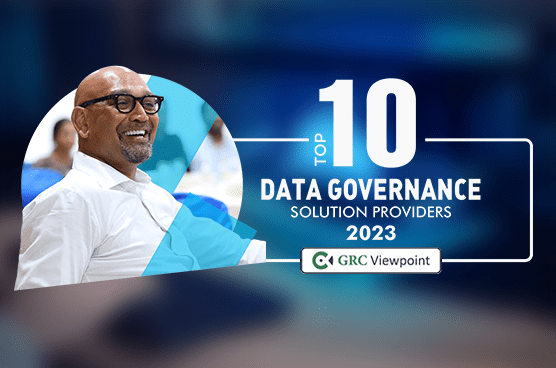
Founder & CEO Srini Mannava “We understand all of those, and we were able to retire a bunch of their data into the cloud platforms that were set up specifically to meet those requirements in several parts of the world, so that way the customer actually can access the data anytime they want, and they avoid paying all of this maintenance.” In an era where the corporate landscape is continually evolving, organizations grapple with a myriad of challenges, from data dispersion and security breaches to the complexities of regulatory compliance. Navigating these turbulent waters requires more than just technological solutions; it demands a profound understanding of the intricate nuances of corporate governance. Infobelt, a trailblazing force that emerges not merely as a solution provider but as a transformative ally in the realm of Governance, Risk, and Compliance (GRC).Infobelt is a source of innovation and knowledge for businesses struggling with the ever-increasing challenges of data management, security, and regulatory compliance. Infobelt was founded by a group of founders with decades of combined experience in the corporate sector, thus the company has a firsthand understanding of the difficulties that businesses encounter. This knowledge serves as the cornerstone of Infobelt’s distinctive value proposition, which combines technology expertise with client-speaking skills.Infobelt goes beyond what is often expected of a supplier of GRC solutions. It becomes a strategic partner, providing advanced technology together with a helping hand to navigate the maze of client demands. Infobelt is leading the way in introducing a new era of comprehensive and integrated GRC solutions, whether it is by solving coordination issues in large businesses or customizing solutions for smaller clients with particular demands.The main advantage of Infobelt is that its founders and employees speak the same language as its clients because they have lived through and experienced the difficulties of working in the corporate environment. Infobelt is able to close the gap between technical goods and practical client solutions because of this unique edge. The group can interact with customers at several organizational levels, such as CFOs, CDOs, and CIOs, providing them with a thorough grasp of their requirements. “We understand all of those, and we were able to retire a bunch of their data into the cloud platforms that were set up specifically to meet those requirements in several parts of the world, so that way the customer actually can access the data anytime they want, and they avoid paying all this maintenance,” says Srini Mannava, Founder & CEO of Infobelt. Infobelt helps clients of all sizes with problems they encounter in a variety of sectors. Infobelt excels in offering solutions for information, data security, and governance concerns, whether serving smaller businesses with particular difficulties or enterprise-sized organizations with substantial income and assets. The platform easily interfaces with on-premises systems, cloud-based solutions that are constantly growing, and internal applications.The method used by the business to solve problems varies in size. Coordination and communication between departments can be difficult for larger businesses. Infobelt provides a uniform platform to help with this. Smaller and middle-tier clients gain from customized solutions including data transfer, isolation, and security that meet their unique requirements.The core components of Infobelt’s flagship product are data protection and long-term records management. The platform offers complete records management, governance, and safe data storage. It is made to handle a variety of data formats. Infobelt guarantees scalable solutions by utilizing robotic process automation and machine intelligence, as evidenced by its accomplishments with a top-five global financial institution.A notable financial institution that struggled with departmental disparities, data dispersion, and regulatory compliance is the subject of one noteworthy case study. More than 400 apps were successfully onboarded as a result of the data management process being expedited using Infobelt’s platform. The customer avoided risks related to data security and compliance and passed stringent regulatory examinations thanks to its secure storage of 30 trillion records.In another scenario, a worldwide commercial real estate management company was having trouble with antiquated technologies and older ERP platforms. Infobelt assisted in the data reporting and archiving, modernizing their data management procedures, and enabling cost savings and regulatory compliance.A culture of people-centeredness is fostered at Infobelt, with a focus on a mutual commitment to client success and a positive work-life balance. The organization promotes creativity and encourages team members to offer ideas, creating a climate in which everyone’s opinion is appreciated regardless of position. Infobelt’s commitment to leading the way in technology is demonstrated by its investments in artificial intelligence and machine learning, which foster a dynamic and innovative work environment.The foundation of Infobelt’s success is its capacity to offer comprehensive solutions that fully address the problems faced by clients. Infobelt is shaping the future of GRC solutions with a committed workforce, a forward-thinking strategy, and a focus on client happiness.

IntroductionDigital transformation might seem like a new concept, but the reality is that it has a long history. In the 1970s, computer-aided manufacturing and design were first used in business. We saw the introduction of enterprise resource planning in the 1980’s. eCommerce and online banking were introduced in the late 1990s, and social media emerged in the mid-2000s. Companies first started using these digital channels as a way of connecting with and supporting their customers. We have seen a renewed focus on digital transformation over recent years as work has become digital, mobile, and social. Companies striving to remain competitive globally have prioritized digital transformation in 2024. Below, we will talk about where these companies are starting. Understanding Digital TransformationDigital transformation is a holistic approach to altering business processes, culture, and customer experiences to meet changing market and business requirements. This strategic initiative integrates digital technology into all business areas, fundamentally changing how businesses operate and deliver customer value. These changes will drastically improve the experience for both the employee and the customer. Key Components of Digital Transformation: Cloud Integrations: Moving towards a hybrid or multi-cloud environment to optimize performance, cost-effectiveness, and flexibility for remote work. Cybersecurity: Cybersecurity remains a top priority with the continued expansion of digital infrastructures. This involves comprehensive strategies encompassing firewall protection, intrusion detection, data encryption, and secure network segmentation. The proactive approach to cybersecurity is crucial for safeguarding organizations. IT Modernization: IT modernization encompasses various strategies and practices to upgrade and optimize an organization’s IT infrastructure, systems, and business applications to meet the current security and technology needs. Data-Driven Decision Making: Leveraging data analytics for better decision-making and strategic planning. Sustainability: Sustainability has become a guiding principle in business decision-making. Companies are looking for ways to reduce their carbon footprint and operate more sustainably, leveraging digital technologies for energy efficiency and reduced paper use. Total Experience (TX): Focusing on enhancing customer and employee experiences, integrating technologies to create superior shared experiences. IT Modernization: A Pillar of Digital TransformationIT modernization is crucial in digital transformation, upgrading existing technology systems and infrastructure to improve efficiency, security, and scalability. It’s about moving from outdated processes and legacy systems to more agile, cloud-based solutions. Application Modernization: Improving and upgrading existing software applications to align with the latest technology to meet customer demands. It’s about decommissioning or retiring legacy applications and adopting more modern, cloud-based, data-driven platforms created with coordination and scalability in mind. Infrastructure Modernization: Upgrading the hardware, servers, and networking components that support a company’s IT operations is crucial. This can include adopting converged or hyper-converged infrastructure systems, making the infrastructure more manageable, scalable, and easier to repair. Data Modernization: This aspect focuses on organizing and transforming data into a more usable and valuable format. It typically involves consolidating data into one unified platform and analyzing data to gain valuable insights, which can guide business decisions and strategies. Lifecycle Modernization: Reshaping internal operational processes, including managing IT hardware and devices throughout their lifecycle, is essential to IT modernization. Benefits of IT Modernization: Enhanced Efficiency: Streamlined operations with faster, more reliable systems. Improved Security: Advanced security measures to protect data and assets. Scalability: Easier adaptation to market changes and business growth. Cost Reduction: Lower operational costs by eliminating legacy system maintenance. Legacy Application Retirement: Clearing the Path for InnovationLegacy application retirement is an essential step in the digital transformation journey. These outdated systems often pose risks and hinder innovation due to their inflexibility and high maintenance costs. Strategies for Legacy Application Retirement: Application Assessment: Evaluating the usefulness and efficiency of existing applications. Data Migration: Safely transferring data from old systems to a modern platform like Infobelt’s Omni Archive Manager. Phased Approach: Gradually retiring applications to minimize disruption. Employee Training: Ensuring staff are equipped to use new systems effectively. Aligning Digital Transformation with Business GoalsThe ultimate aim of digital transformation is to align IT infrastructure with business goals. This alignment requires a strategic approach, focusing on data management, customer engagement, and operational efficiency. Steps to Align Transformation with Business Objectives: Define Clear Objectives: Understand what the business aims to achieve with digital transformation. Involve Stakeholders: Ensure all company parts are engaged in the transformation process. Focus on Customer Needs: Use digital tools to improve customer satisfaction and engagement. Embrace Data Analytics: Utilize data for insights and informed decision-making. Data Management in the Era of Digital TransformationEffective data management is the backbone of digital transformation. Modern businesses are inundated with data, and managing this data effectively is critical for success. Critical Aspects of Data Management: Data Storage and Accessibility: Implementing cloud storage solutions for better data accessibility and management. Modern platforms like Infobelt Omni Archive Manager can securely retain, index, and manage every type of data in one platform, making this easy for storage and accessing your business’s most valuable data. Data Security: Ensuring robust security protocols to protect sensitive information. Data Analytics: Utilizing advanced analytics tools to gain insights and drive business strategy. Compliance: Adhering to data protection regulations and standards. ConclusionDigital transformation, IT modernization, and legacy application retirement are essential for businesses looking to thrive in the digital era. By embracing these changes, companies can improve efficiency, enhance customer experiences, and make better, data-driven decisions. The journey might seem daunting, but a clear strategy and commitment lead to a more agile, innovative, and successful business model.